My Wellness Research — University of Miami
Sole designer of a multi-sided clinical research platform — patient mobile app, health coach dashboard, and research ops system — now used in NIH-funded trials and published in peer-reviewed journals.
Client
University of Miami
Role
Sole Product Designer
Duration
9 Months
Platform
Mobile & Web
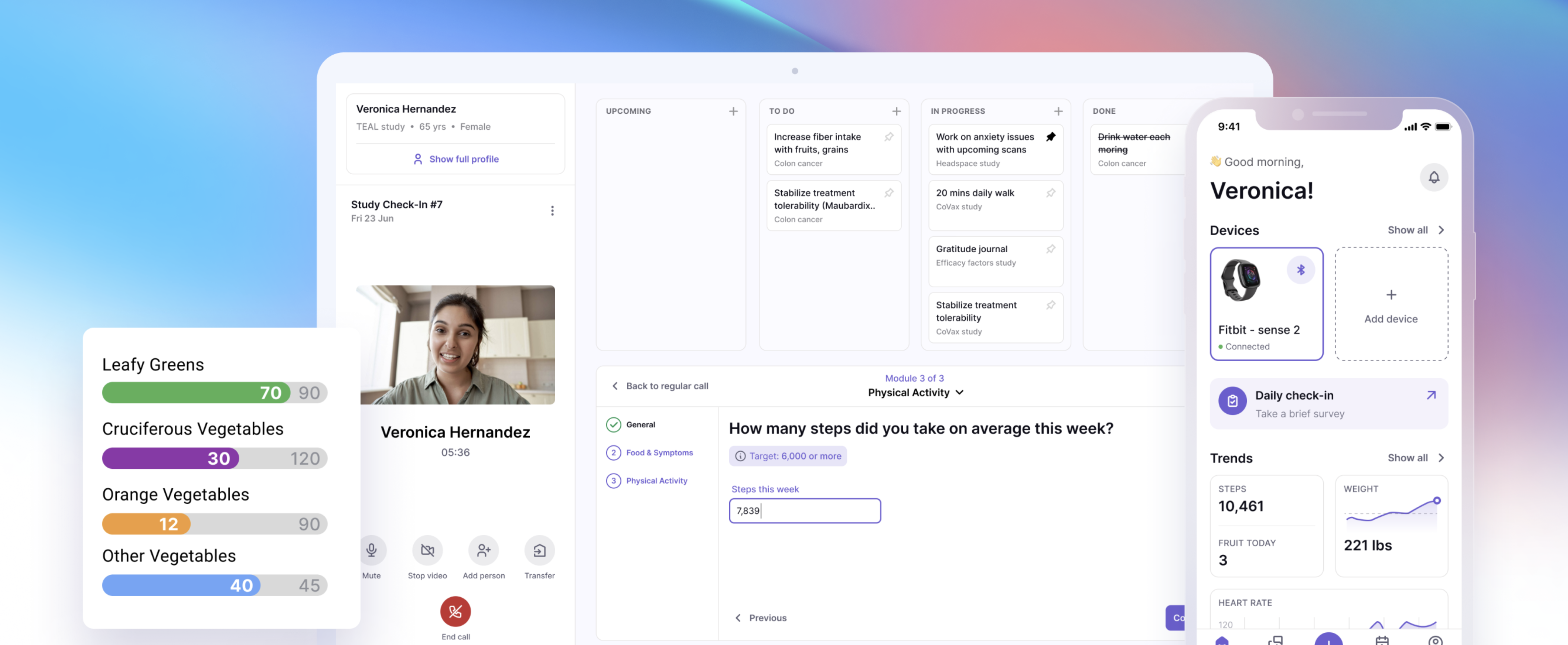
Translating cancer research from paper forms to a living data platform
I was brought in as the sole product designer to build My Wellness Research, a HIPAA-compliant remote monitoring platform at the Sylvester Comprehensive Cancer Center, part of the University of Miami Miller School of Medicine. I worked directly with Dr. Tracy Crane and Grey Freylersythe at Sylvester to translate their research vision into a multi-sided digital product.
The starting brief was electronic patient-reported outcomes (ePRO) in oncology — replacing paper-based symptom reporting with real-time digital collection. I knew from Dr. Ethan Basche's foundational work that this transition reduces recall bias and provides richer data for clinicians. But the team wanted to go further: alongside standard ePRO reporting, they needed dietary tracking, behavioral coaching, and wearable device integration — a full lifestyle data platform embedded in active clinical trials.
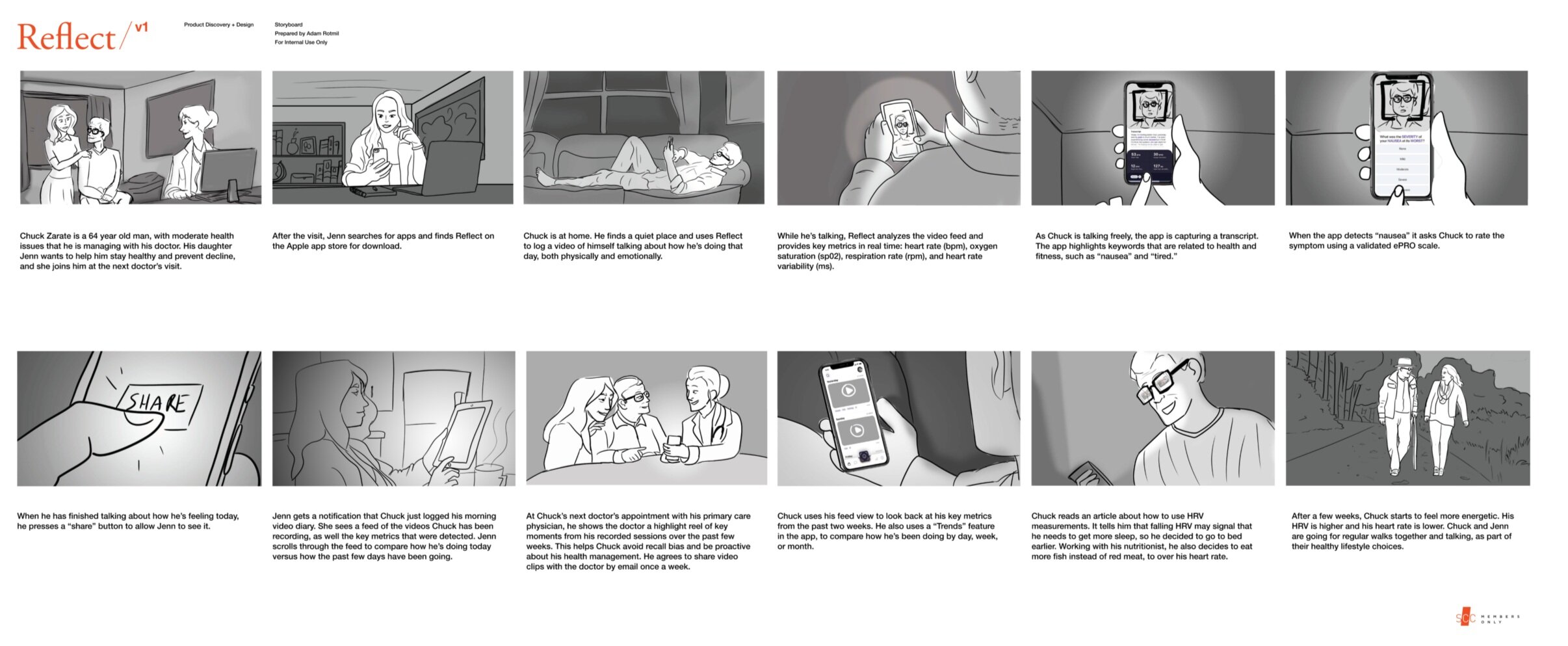
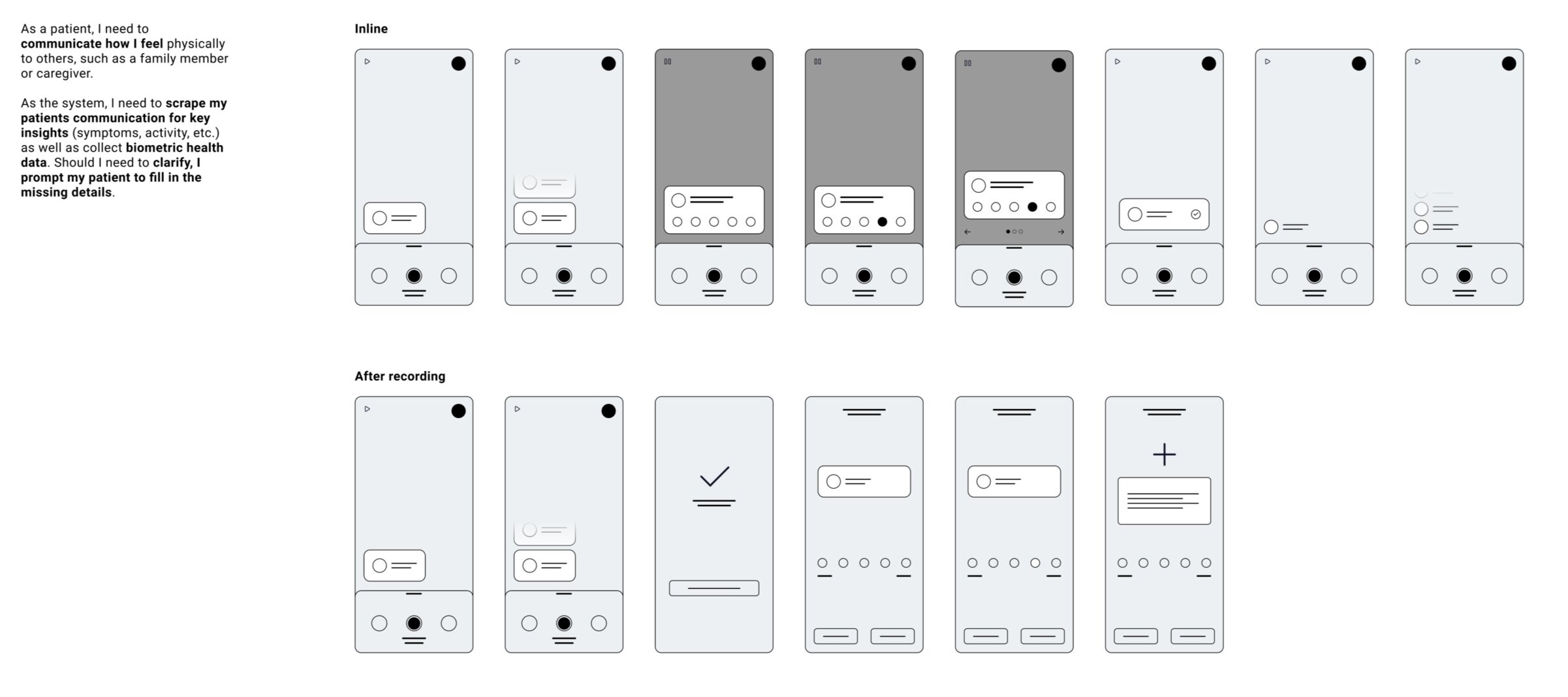
A consumer app for patients, a clinical tool for coaches, a research engine for scientists
I designed experiences for three distinct user groups with fundamentally different needs, contexts, and technical comfort levels — all working within the same data ecosystem.
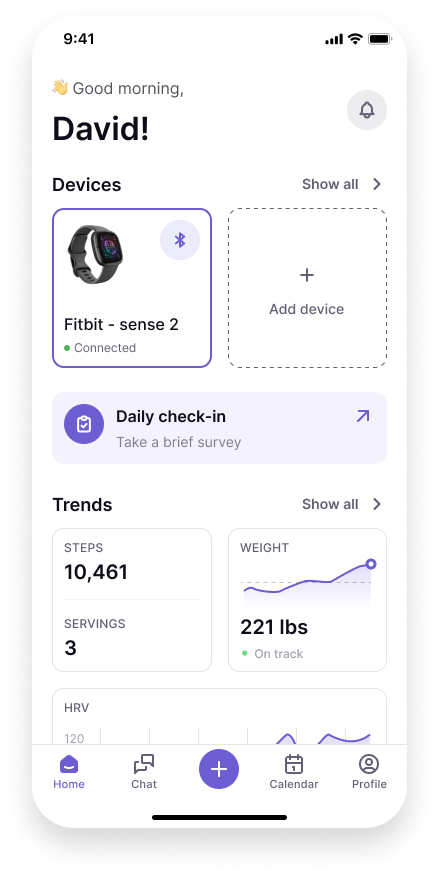
For patients, I designed a mobile experience that feels consumer-grade — closer to Noom than a clinical tool. Patients going through chemotherapy often have tingling hands and numbness, so every interaction needed to be simple, forgiving, and supportive. The app includes daily check-ins, wearable device syncing, dietary logging, and trend visualization.
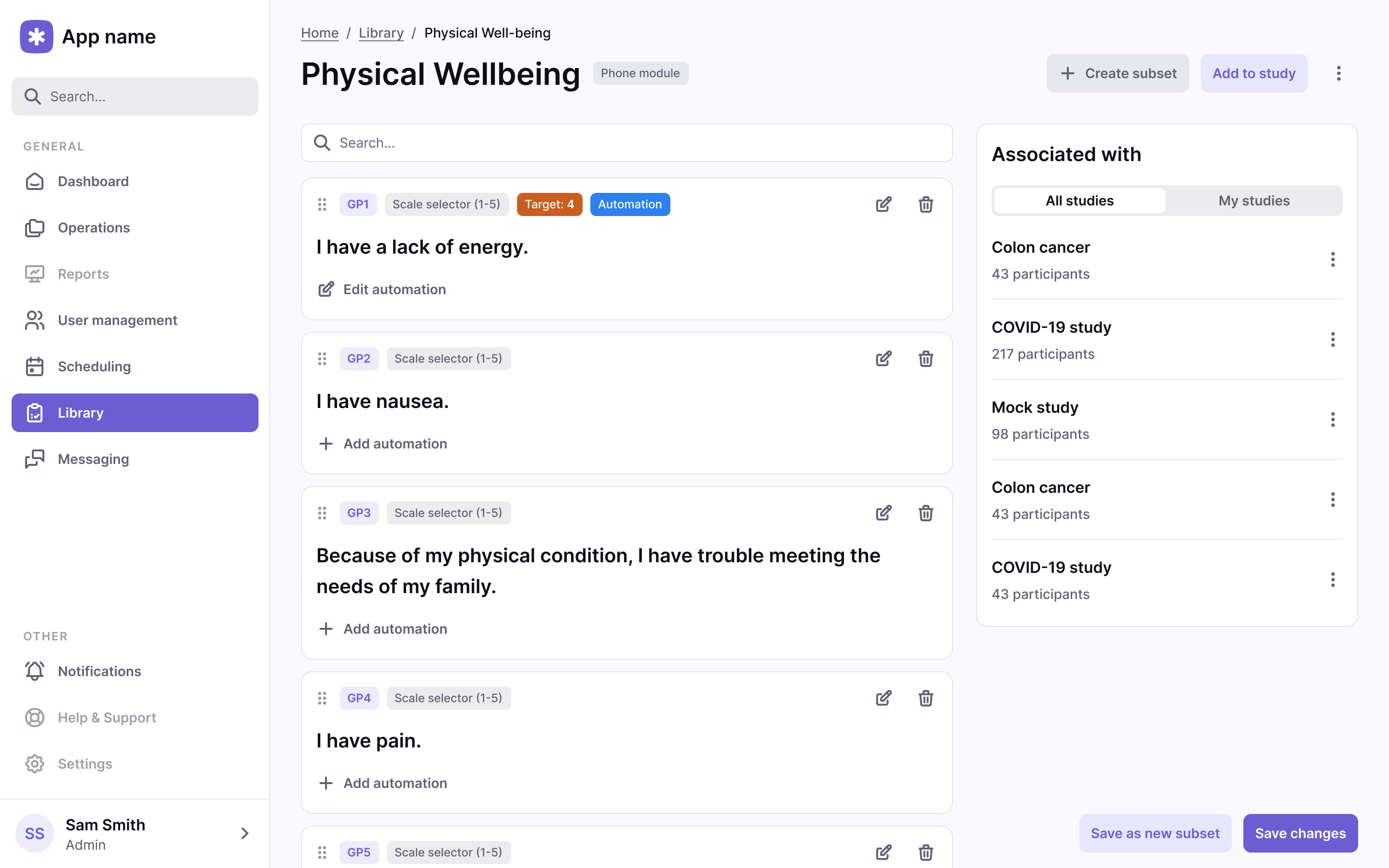
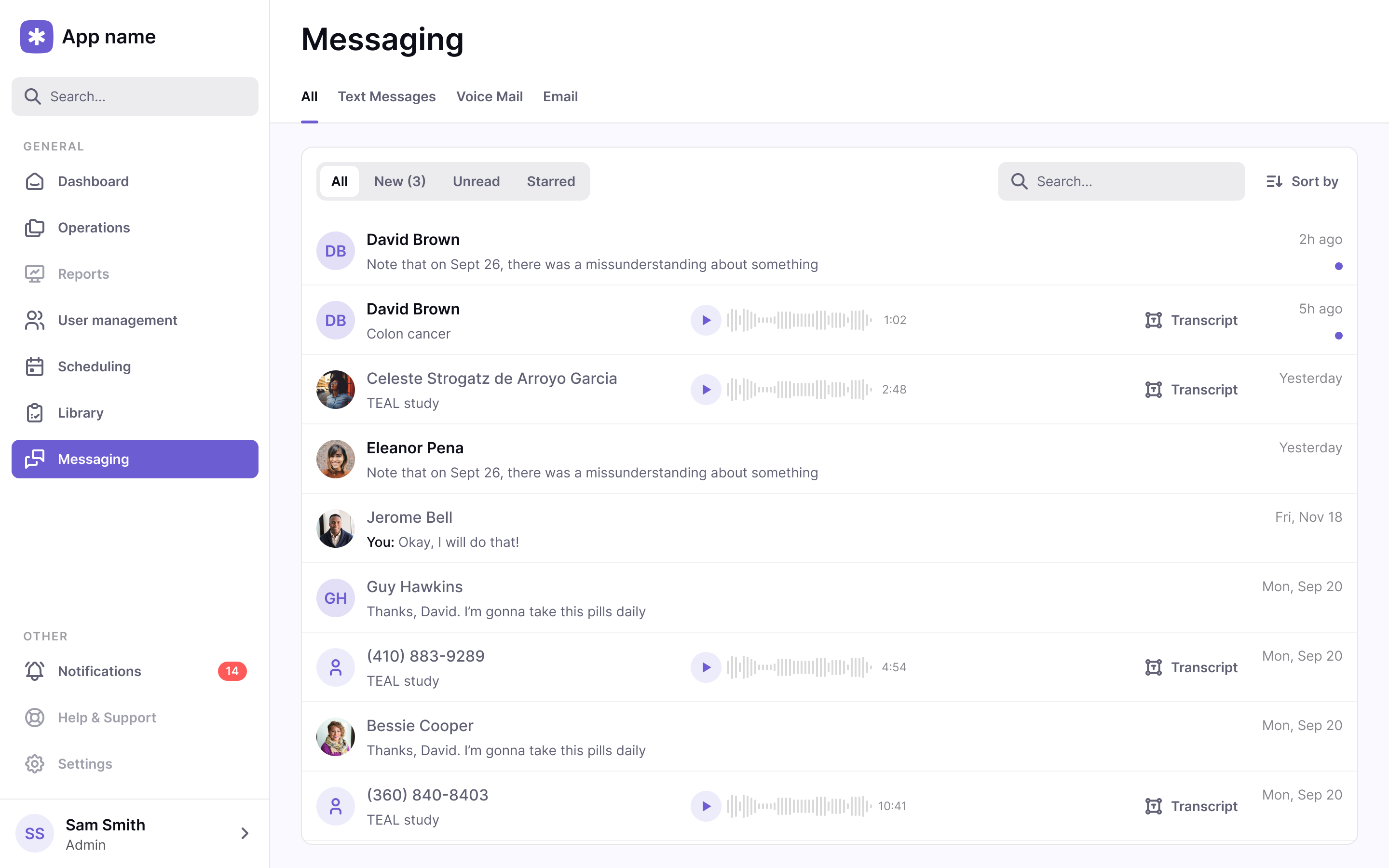
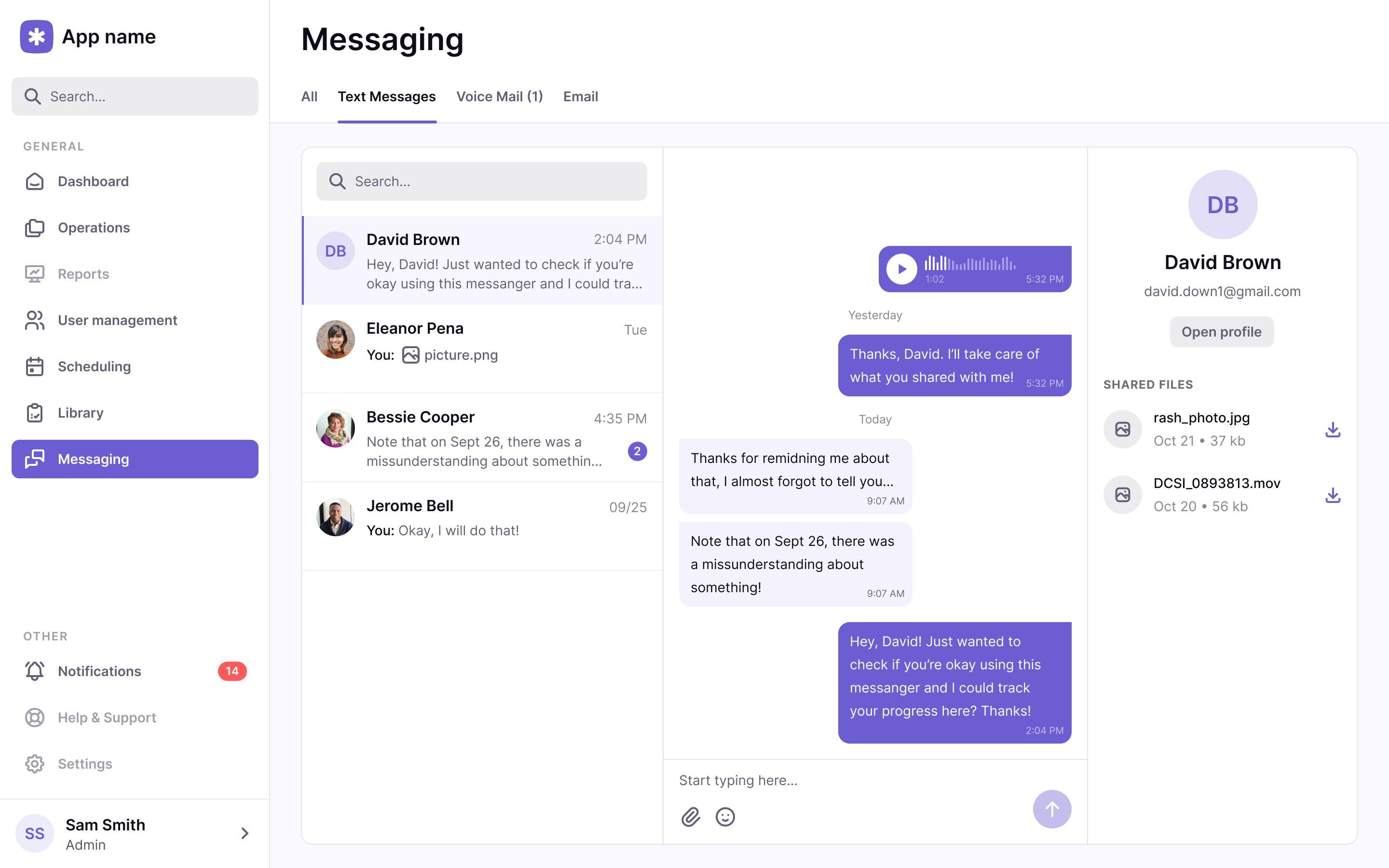
For health coaches, I designed a web dashboard for managing participant care — video calls, messaging, scheduling, and a kanban-style task board for tracking each patient's goals and progress. Coaches needed to see a participant's full context at a glance during live sessions, so I designed a split-screen layout that surfaces the patient profile, active goals, and guided module input alongside the video call.
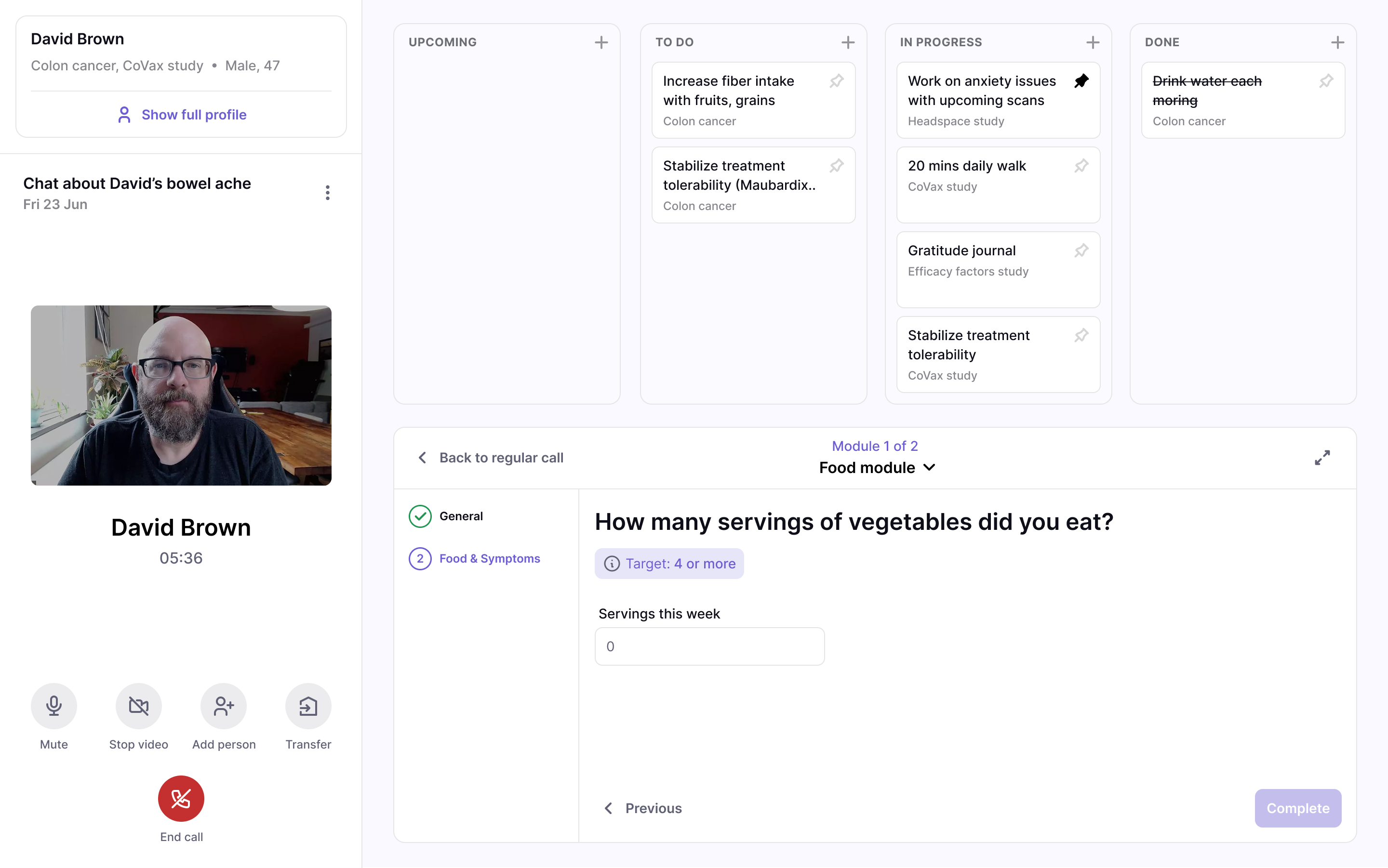
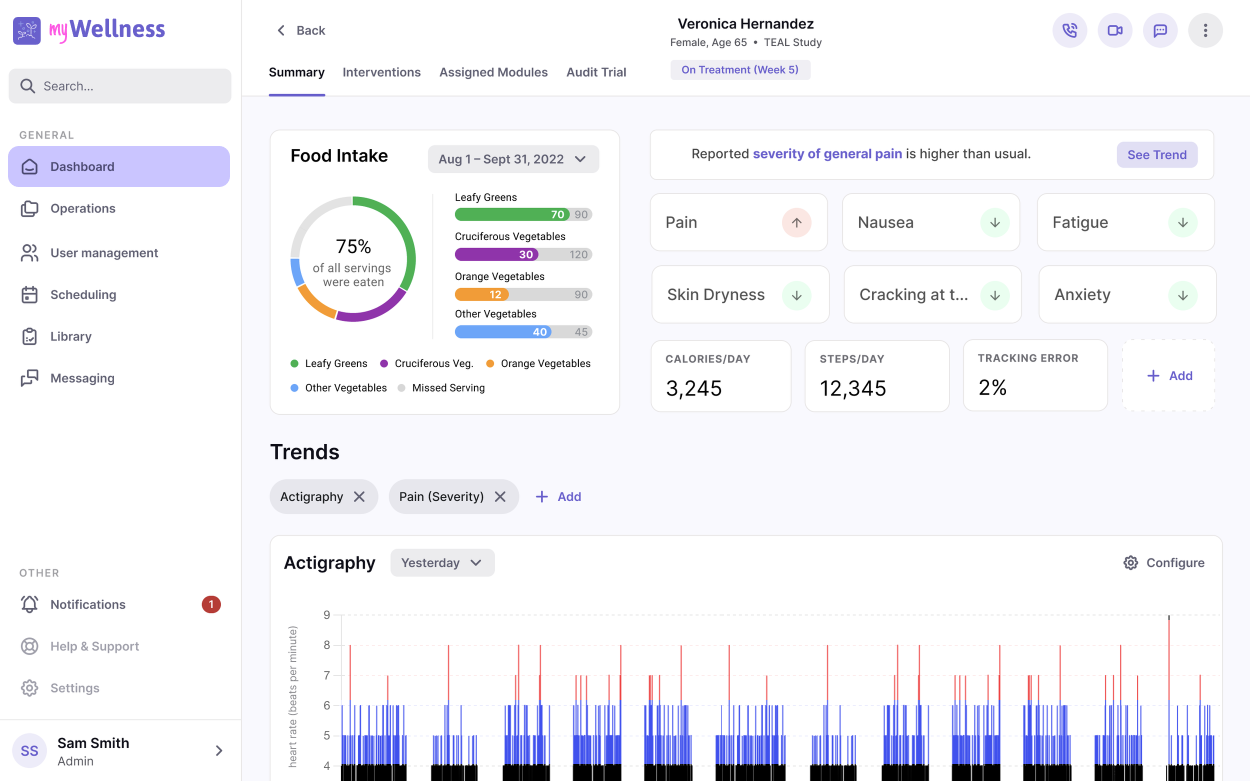
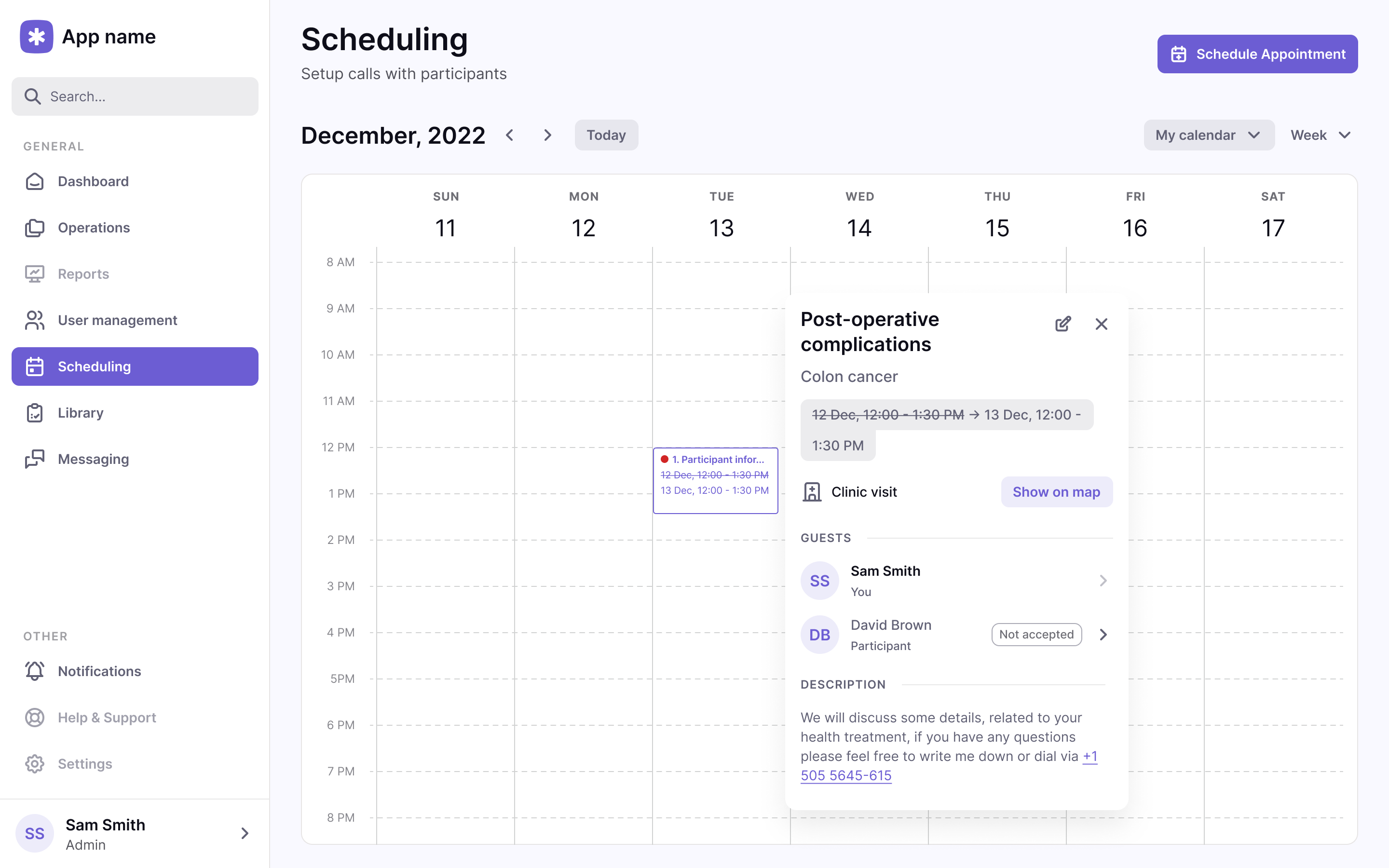
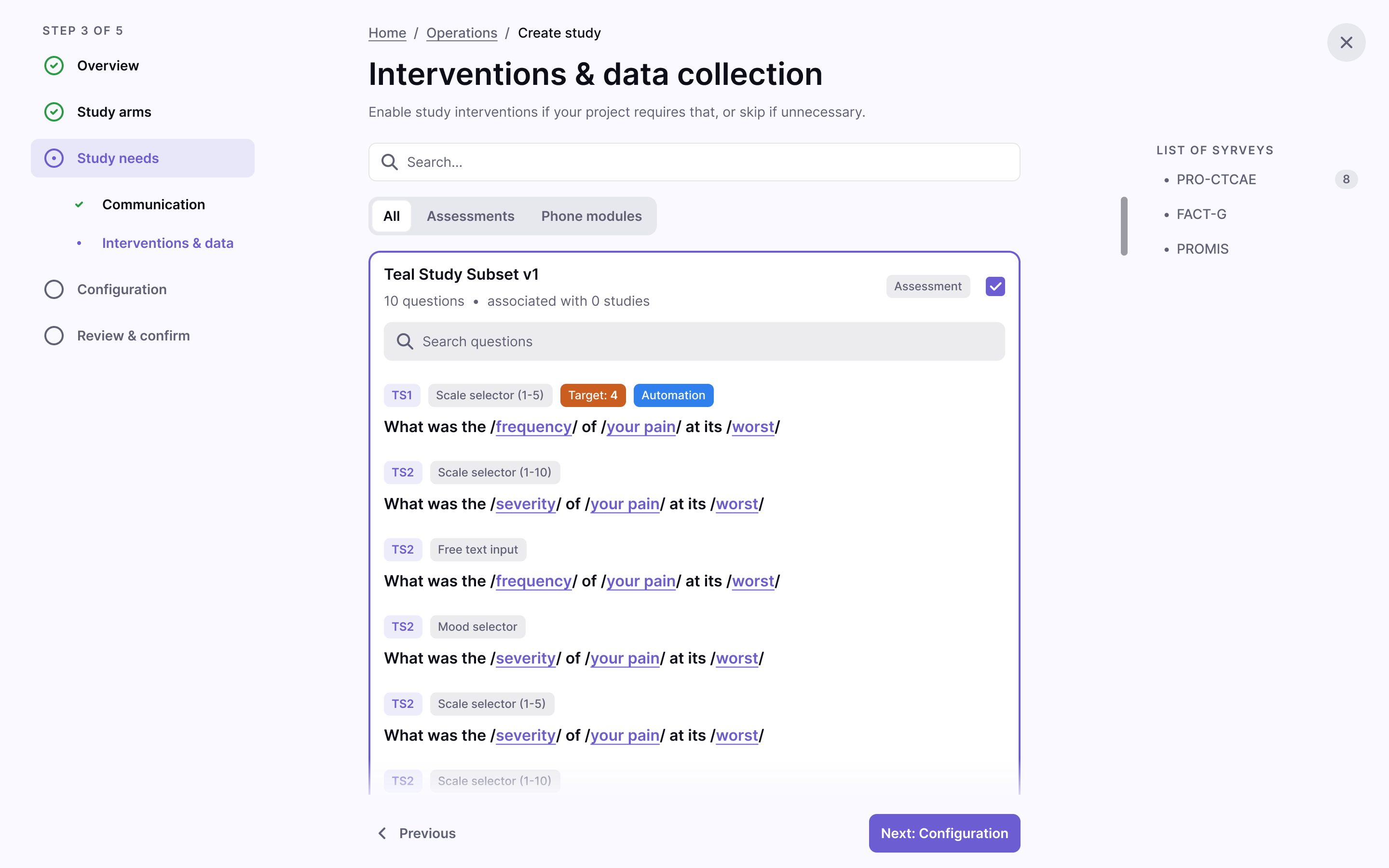
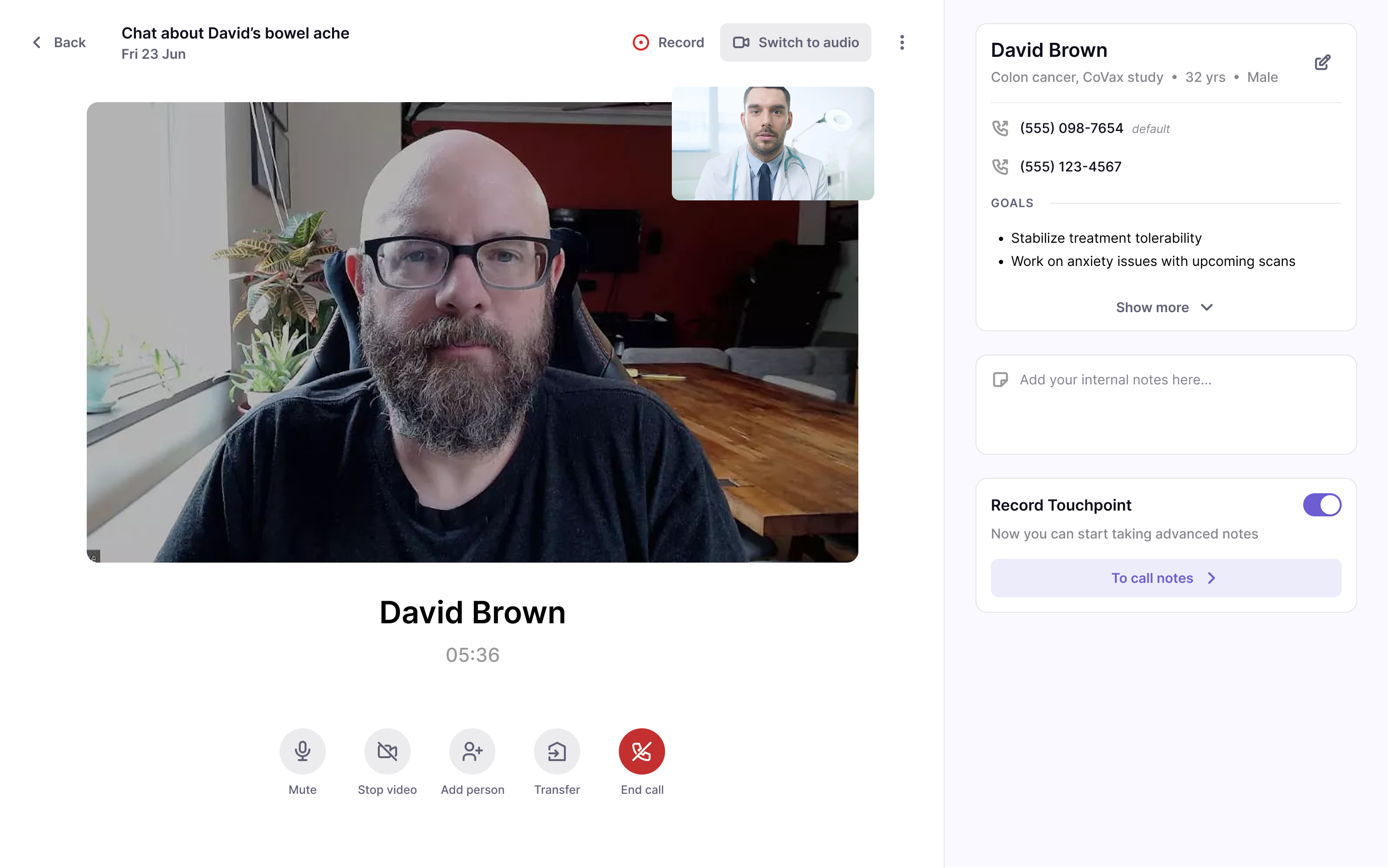
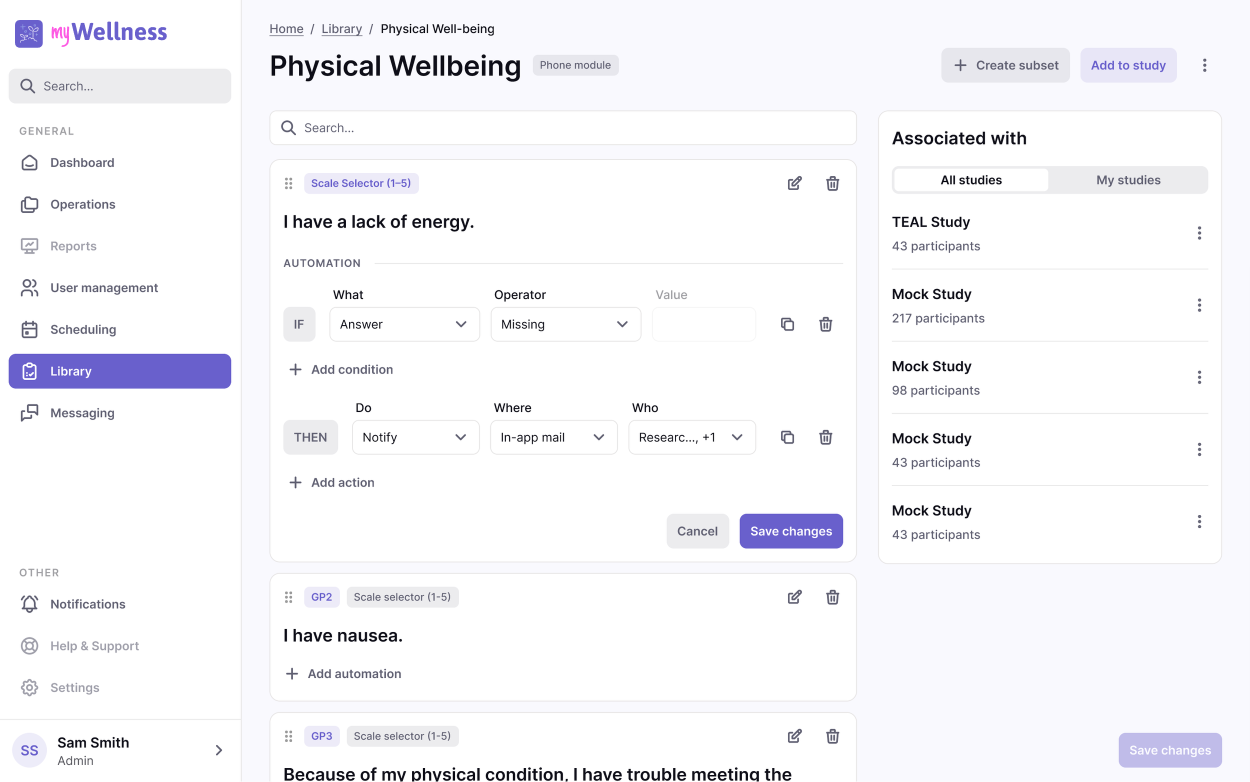
For researchers, I designed a super-admin layer with cohort-level views, study arm configuration, and a modular ePRO library where admins can fully define and configure their own assessment instruments, targets, triggers, and scoring logic.
Video calls that capture data while delivering empathy
The video coaching integration was more than a communication tool — it was a data capture system. Every coaching session transcript was captured and processed through machine learning and NLP analysis. In the LIVES study (Lifestyle Intervention for oVarian Cancer Enhanced Survival), the research team analyzed 17,000 hours of health coaching calls to predict diet and exercise changes among ovarian cancer survivors.
This data source used to be thrown out entirely — there was simply no way to process it at scale. The platform I designed made it capturable, structured, and analyzable. I designed the recording interface with a "Record Touchpoint" toggle, internal notes field, and patient goals sidebar so that coaches could focus on the human interaction while the system handled data collection.
Configuring thousands of parallel studies from a single admin panel
The study design configuration became the most technically complex part of the platform. As partnerships expanded, we needed to support studies at every phase — from animal studies to dose escalation trials to large-scale behavioral interventions with ePRO data and coaching.
I designed an ePRO library where admins can fully define assessment instruments with configurable targets, triggers, and automation logic. The system includes SMS integrations with rule-based messaging, event listeners that monitor for shifts in reported outcomes in real time, and predictive models that combine multiple outcome signals to alert clinicians before negative health effects occur — enabling them to hold a dose or bring a participant in for consultation.
In Dr. Crane's words, this architecture enables thousands of studies to run in parallel, each with its own configuration of interventions, data collection instruments, and automation rules.
Peer-reviewed trials showed measurable recovery benefits
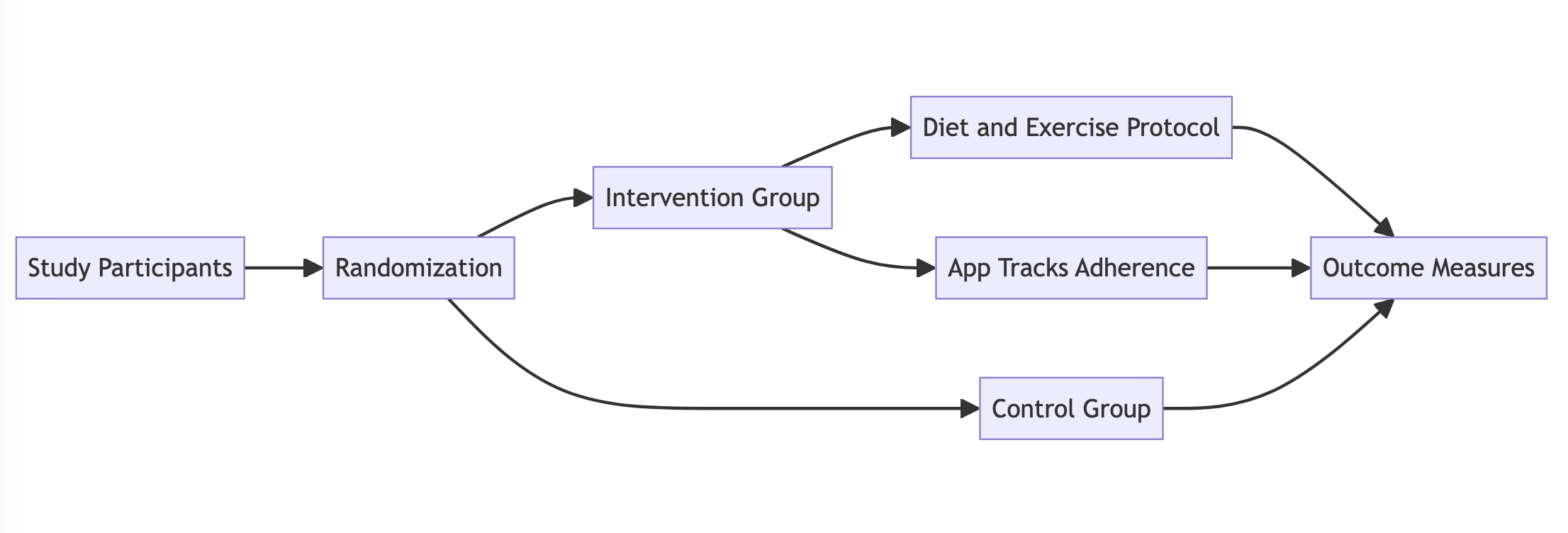
A randomized trial of 293 cancer surgery patients, published in npj Digital Medicine, found that patients monitored through the platform showed a 6% greater functional recovery rate by day 14 post-surgery and significantly fewer major complications compared to standard care.
A feasibility study published in JCO Oncology Practice documented the platform's use across a racially and ethnically diverse patient population, including the first large-scale deployment of validated Spanish-language patient-reported outcomes screening embedded in electronic health records.
The platform now supports multiple active clinical trials at Sylvester, including a $3.5 million NIH-funded collaboration with Yale University and NRG Oncology studying at-home symptom management for patients on oral anti-cancer medications. A pediatric sarcoma trial launched in 2026 uses the platform alongside 3D biomechanical software and wearable activity monitors.
0
Patients in randomized cancer surgery trial
0K
Hours of coaching calls analyzed via NLP
0M
NIH grant funding for expanded trials
0%
Greater functional recovery by day 14
Product design with measurable clinical impact
Over 9 months as the sole product designer, I translated executive research vision into a multi-sided platform that now supports active clinical trials, published peer-reviewed research, and an expanding data ecosystem at one of the country's leading cancer centers.
The work sits at the intersection of product design and clinical research — where information architecture decisions directly affect what data researchers can collect, and interaction design decisions directly affect whether patients going through cancer treatment will actually use the tool.
My contribution
Sole Product Designer
User Research
Information Architecture
Prototyping
Visual Design
Research Ops Design
Collaborators
Dr. Tracy Crane's Lab
Grey Freylersythe
Sylvester Cancer Center
Yale University / NCI
Engineering Team
Tools
Figma
Sketch
InVision
Miro
Next project
AstraZeneca
Clinical Trial Platform